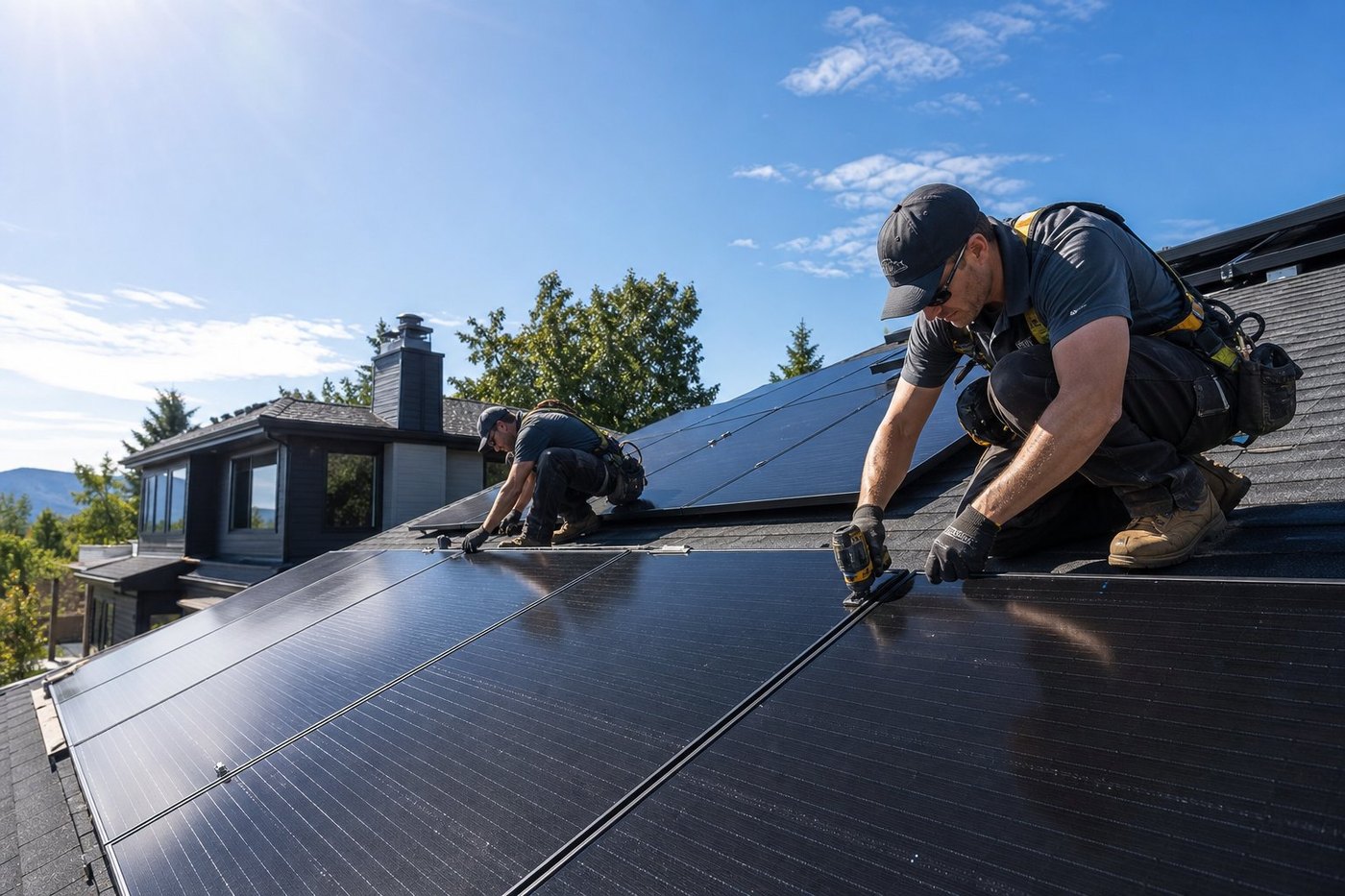
A solar upgrade is a home improvement decision as much as an energy decision. The right starting point is not a promise of savings — it is a careful look at your property and your goals.
Every home has its own mix of roof conditions, surrounding shade, household routines, and local requirements. Exploring these factors early can help you ask better questions and avoid committing to a system before its suitability is understood.
Understand your roof before your system
Your roof provides the foundation for rooftop solar. Its condition, materials, orientation, and structural suitability should be reviewed before an installation is planned. If roof work is already needed, discuss how that work and a potential solar project could fit together.
A qualified assessment is important. A roof that looks sound from the ground may still need attention, and a solar installation should never be used to postpone a necessary repair.
Take a realistic view of sunlight
Shade from trees, nearby buildings, and the shape of the property can affect performance. Seasonal sunlight and local weather also matter. Ask a provider how these conditions have been considered in their assessment rather than relying on a general example from another home.
Expectations should be specific to the site. A well-presented proposal should explain its assumptions, possible limitations, and how estimated performance may differ from actual results.
A considered solar decision begins with the home you have, not the outcome someone else's home achieved.
Connect the plan to your energy needs
Think about when and how your household uses electricity, and whether those patterns may change. Working from home, changing appliances, or planning other home upgrades can affect the questions you want to ask.
- Discuss current energy use and likely changes with your provider.
- Ask how the system would connect with the local utility.
- Clarify what happens during a power outage.
- Understand whether storage is being considered and why.
Solar panels alone do not necessarily provide power during an outage. The system design, equipment, storage, and approved connection arrangements determine what is possible.
Look beyond the installation
Ask about equipment warranties, workmanship terms, maintenance, monitoring, and access for future roof repairs. Understand who provides each form of support and what may be excluded.
Financing, utility arrangements, and any available incentives should be checked with the relevant providers or authorities. Availability and eligibility can change, so a general website article is not a substitute for current, project-specific advice.
Choose clarity before commitment
A useful proposal makes the scope, responsibilities, equipment, assumptions, and provider terms understandable. Take time to compare the details and ask for clarification where anything feels unclear.
Solar may have a place in your home's next chapter. The best way to find out is through thoughtful planning and a site-specific conversation with qualified professionals.